Working as a barista to get through your student years is practically a rite of passage at this point. My big luck, though, was landing a job at a specialty coffee place with zero prior experience and being trained from scratch. Not just how to make a seriously good cup of coffee, but the whole thing: history, process, bean types, origins, roast profiles. All of it.
Once you learn this stuff, it never really leaves you. Your standards shift quietly and permanently, and suddenly most coffee tastes diSGUSTING. Sometimes it gets to the point where you’d genuinely rather brew something good at home than pay for a mediocre cup made with beans that have been sitting in a hopper since last Tuesday.
Which is exactly how I became the person who scouts coffee shops in every city I visit and occasionally writes about them. Like the guide to the best cafés in Amsterdam I recently published, built on five years of living there.
So in this article I’ll share what I picked up along the way, put into something useful. A beginner’s guide to specialty coffee: what it is, where it comes from, why it tastes the way it does, and how to start finding it.

A brief history of coffee: the three waves
Before we get into what specialty coffee actually is, it helps to understand how we got here. Because coffee didn’t always taste the way it can taste now. It’s the result of three distinct shifts in how the world has thought about, produced, and consumed coffee. These phases are known as the three waves of coffee.
First wave coffee: from novelty to commodity
Cast your mind back to your grandparents’ kitchen and there’s a good chance coffee meant one thing: a jar of Nescafé on the counter, or a tin of pre-ground something that had been vacuum-packed since before you were born, probably what was on offer at the supermarket that week. Nobody was asking where the beans came from, how they were roasted, or whether the farmer who grew them had been fairly paid. The point was simply that coffee existed, it was cheap, it was available, and it did the job.
Second wave coffee: from commodity to culture
If the first wave was about availability, the second was about experience. Somewhere between the 1960s and the 1990s, coffee stopped being just a functional drink and became a cultural one. People didn’t just want coffee, they wanted somewhere to drink it and someone to make it for them. You can think of it as the Starbucks era.
In North America, it made espresso mainstream in places where it had never been, turned the coffee shop into a destination rather than a pit stop, and introduced an entire generation to the idea that coffee could be an experience. The show Friends is basically a second wave mood board: the Central Perk sofa, the giant mugs, the hours spent chatting. In Europe, the equivalent was the spread of café culture beyond its traditional strongholds in Italy and France. Suddenly every high street had somewhere you could sit down, order an espresso or a cappuccino, and stay a while.
The catch, though, was that the coffee itself was often still not great. Dark roasted to the point of bitterness to mask inconsistencies in the beans, loaded with sugar and syrup to make it palatable. I wrote that in the past tense, but let’s be honest, it’s still very much the case. Have you ever tried Starbucks’ filter coffee? Ugh.
Third wave coffee: from culture to craft
We made it to the third wave, which turned coffee consumption into a conscious experience. The shift happened gradually from the late 1990s onward: away from large chains and dark roasts and flavoured syrups, toward small independent roasters, single-origin beans, and a level of attention to what’s actually in the cup that the first two waves never came close to.
This is where specialty coffee lives. And what defines it isn’t just quality, but transparency as well. Where did this bean come from? Who grew it, and how were they paid? When was it roasted, and by whom? How was it processed after harvesting?
Walk into a good third wave coffee shop and you’ll find the origin country on the bag, the farm name, the processing method, the roast date. You might find a map of Ethiopia on the wall. You might be able to tell the barista which specific lot you’d like your espresso pulled from.
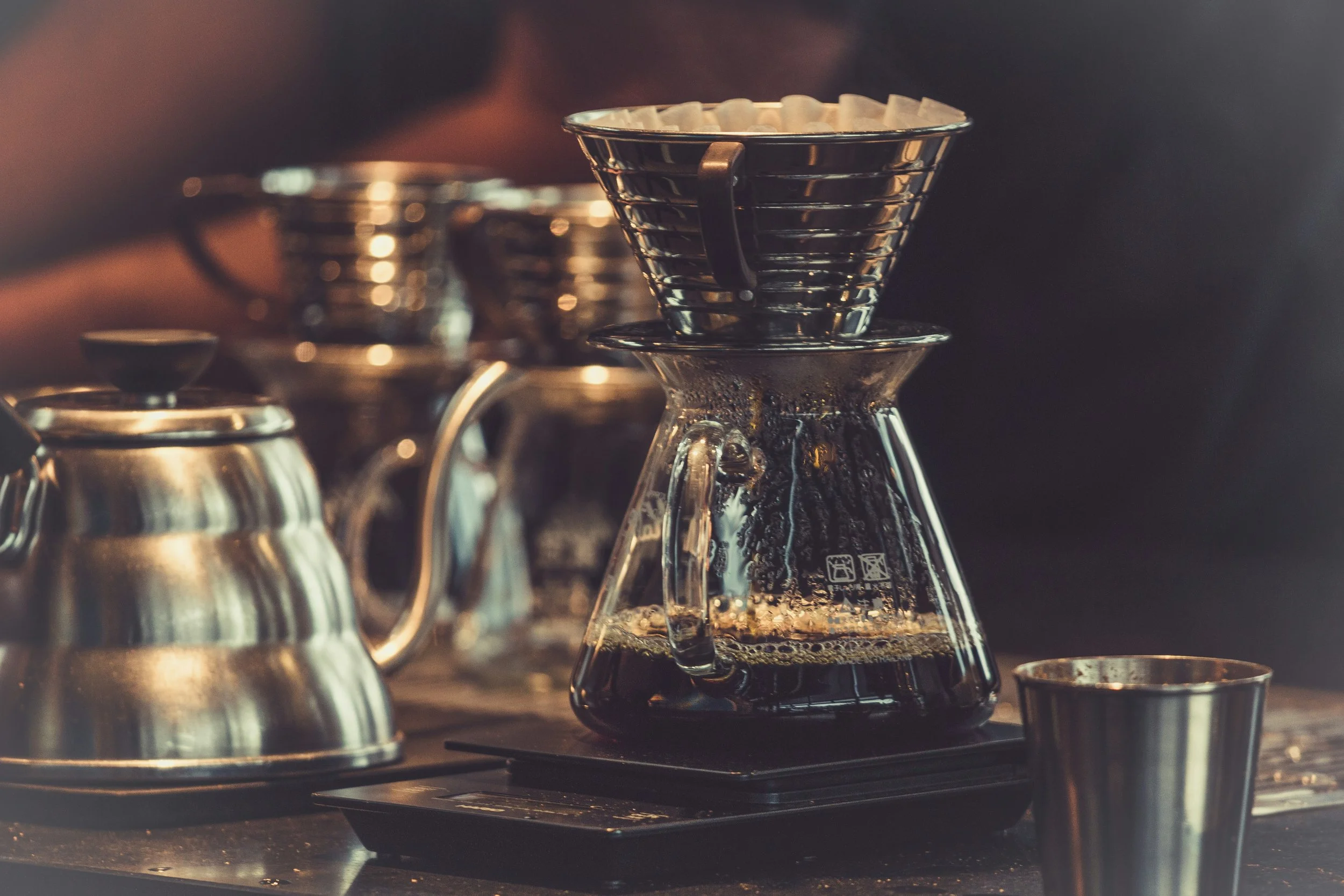
Photo by Thomas Martinsen on Unsplash
So what actually makes coffee “specialty”?
“Specialty coffee” gets thrown around a lot, but it actually has a specific, verifiable definition. It’s not just a vibe, it’s a score. Coffee scoring 80 points or above on the 100-point scale used by the Specialty Coffee Association qualifies as specialty. The scoring is carried out by certified Q Graders, who assess attributes including aroma, flavour, acidity, body, aftertaste, balance and absence of defects.
But the score is just the beginning. What makes specialty coffee genuinely different from commodity coffee isn’t only what’s in the cup, but everything that happened before it got there as well. With commodity coffee, beans from dozens of farms get blended together, roasted dark to iron out inconsistencies, and sold without a story. With specialty coffee, the story is the point. You know the country, the region, often the specific farm, the variety, the processing method, the roast date. You can trace your cup back to a single harvest.
This is also why specialty coffee tends to cost more (and why that price is usually justified). The farmer is being paid fairly for a product that has been evaluated and handled with care all the way down the chain.

Coffee roast profiles (and why dark doesn’t mean strong)
Here’s a misconception worth clearing up: dark roast does not mean strong coffee. It means the bean has been roasted longer.
Roasting is a process of transformation. The longer a bean stays in the roaster, the more its original character gets replaced by the flavours of the roast itself. This is why specialty coffee tends toward lighter roasts: the whole point is to showcase what the bean tastes like, not mask it with smoke and bitterness.
Light roast: fruit-forward, bright, citrusy, sometimes with hints of white tea or honey. The most complex, origin-driven flavours live here. It can take some getting used to if you’ve spent your life drinking dark roast, but once it clicks, there’s no going back.
Medium roast: the middle ground. Mellow and chocolatey, with notes of brown sugar, nuts or baking spices. Some of the bean’s original character comes through, softened by the roast. Approachable and easy to like.
Dark roast: well-executed dark roasts develop rich notes of baker’s chocolate, warm spice or dark caramel. The problem is that dark roast is often used to cover up low-quality beans. In specialty coffee, dark roasts exist, but they’re used intentionally.
One more thing: light roast coffee is stronger in caffeine content by volume. Dark roast tastes bolder, but the longer roasting process actually breaks down more caffeine. So if you’re drinking dark roast for the hit… well, now you know.
Where coffee comes from and what that means for your cup
Think of coffee the way you’d think about wine. A Burgundy and a Barolo are both red wines, made from grapes, fermented, aged, and yet they taste completely different. The grape variety matters, yes, but so does the soil, the altitude, the climate, and a hundred other factors specific to where and how they were grown. Coffee works exactly the same way.
Here’s a rough guide to what to expect by origin:
Ethiopia: the birthplace of coffee, and still one of the most exciting origins. Floral and fruit-forward, with a bright and sometimes almost tea-like acidity.
Colombia: approachable and balanced, a great entry point. Fruity and sweet, with a medium body. Works beautifully as filter and holds up well as espresso.
Guatemala: full-bodied and rich, with warm, chocolatey notes. Comforting and consistent.
Kenya: bold and complex, with a distinctive winey quality and a pronounced acidity that divides opinion. Often my favourite!
Brazil: smooth, low acidity, with nutty and chocolatey notes. The most widely produced coffee in the world and the backbone of most espresso blends.
Costa Rica: clean, sweet and bright without being sharp. A good starting point if Ethiopian coffees feel too intense at first.
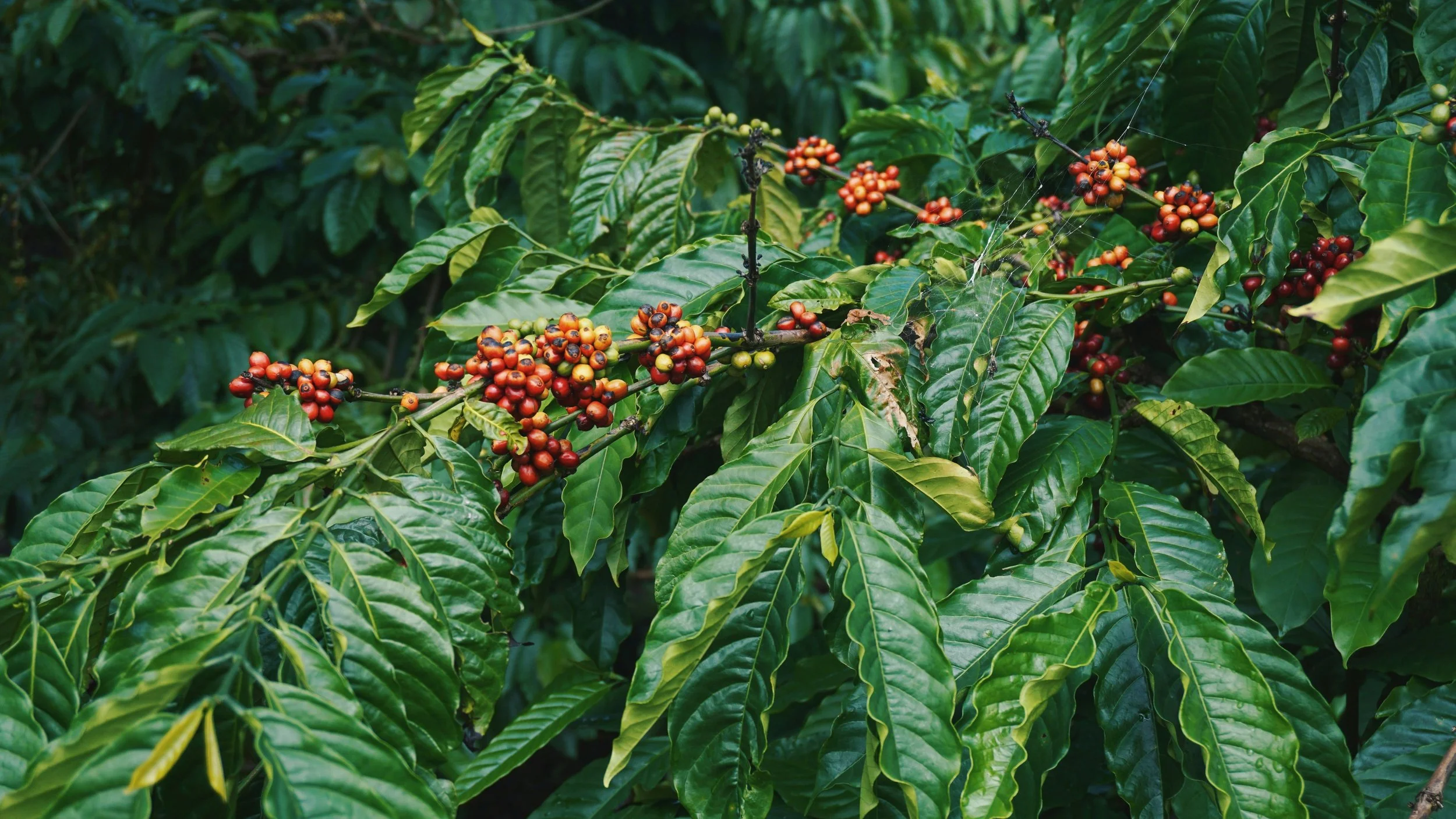
Photo by Dang Cong on Unsplash
Natural, washed, honey: what do these mean?
Origin gets you halfway there. The other half is processing, meaning what happens to the coffee cherry after picking, before the bean becomes what you brew. It makes an enormous difference to what ends up in your cup.
Washed: the fruit is removed almost immediately after picking, then the bean is washed and dried. The result is clean and bright, with the origin character coming through clearly. The clearest window into what a bean actually tastes like.
Natural: the whole cherry is dried in the sun with the bean still inside. The fruit ferments around the bean over weeks, and those flavours get absorbed into it. The result is wilder and more complex, often intensely fruity, sometimes almost wine-like.
Honey: the middle ground. Some of the fruit is left on the bean during drying. Generally: sweetness, body, and a balance between the clarity of washed and the intensity of natural.
Now you know how to read a specialty coffee bag
If you made it to the end, you now have everything you need. Next time you’re standing in a specialty coffee shop staring at a wall of bags feeling mildly overwhelmed, you know what to look for: origin, process, roast and tasting notes, the roaster’s honest attempt to describe what they tasted during cupping.
I hope this guide gave you enough vocabulary to better understand an experience you’ve probably already had. That cup that made you stop mid-sip and think “oh, this is different.” Now you know why.
And next time you find yourself in a specialty coffee shop, ask the barista to help you choose. I’m almost certain they’ll love the chance to talk about coffee. Just maybe not during the Saturday morning rush. Please keep it short during a rush. (xoxo a former barista).