A literary tour of England has been on my mind for a while now. So I thought, why not actually put one together. But not the obvious kind. Cause here's the thing: I love visiting people's homes. Always have. And when those people happen to be writers or artists I admire… I mean, it doesn't get much better than that, does it? And England is full of these places. Writers' homes where the floorboards creak and the windows still look out onto the same view they did when their books were being written.
So if you too have ever wanted to peek into a writer's home, sit (mentally, at least) at the desk where the masterpieces happened, or wander the garden they probably paced around when the words weren't coming, then read on. You're in the right place.
Visiting Monk's House: Virginia Woolf's East Sussex retreat
Let's start with Monk's House, a small, low, weatherboarded cottage at the end of a village in East Sussex. The kind of place you'd drive past without stopping if you didn't know any better. What makes it special is the fact that Virginia Woolf and her husband Leonard bought it in 1919 for £700, and she spent every summer here for the rest of her life.
The house is National Trust now, which means you can walk through the rooms she lived in: the sitting room with its painted furniture, the bedroom with its view over the garden. But the real destination is the writing lodge at the bottom of the garden: a small, separate room, simply furnished, with a writing table facing the window. She wrote Mrs Dalloway here. To the Lighthouse. The Waves. Some of the most important fiction of the twentieth century, written in a garden shed in East Sussex.
How can you visit Monk’s House?
Monk's House is run by the National Trust and open April to October on selected days, with the house accessible from 12:30 to 4pm and the garden staying open a little longer until 5pm, though hours can vary. Because the cottage is genuinely small, visitor numbers are strictly limited and pre-booking is essential. You can book via the National Trust website.
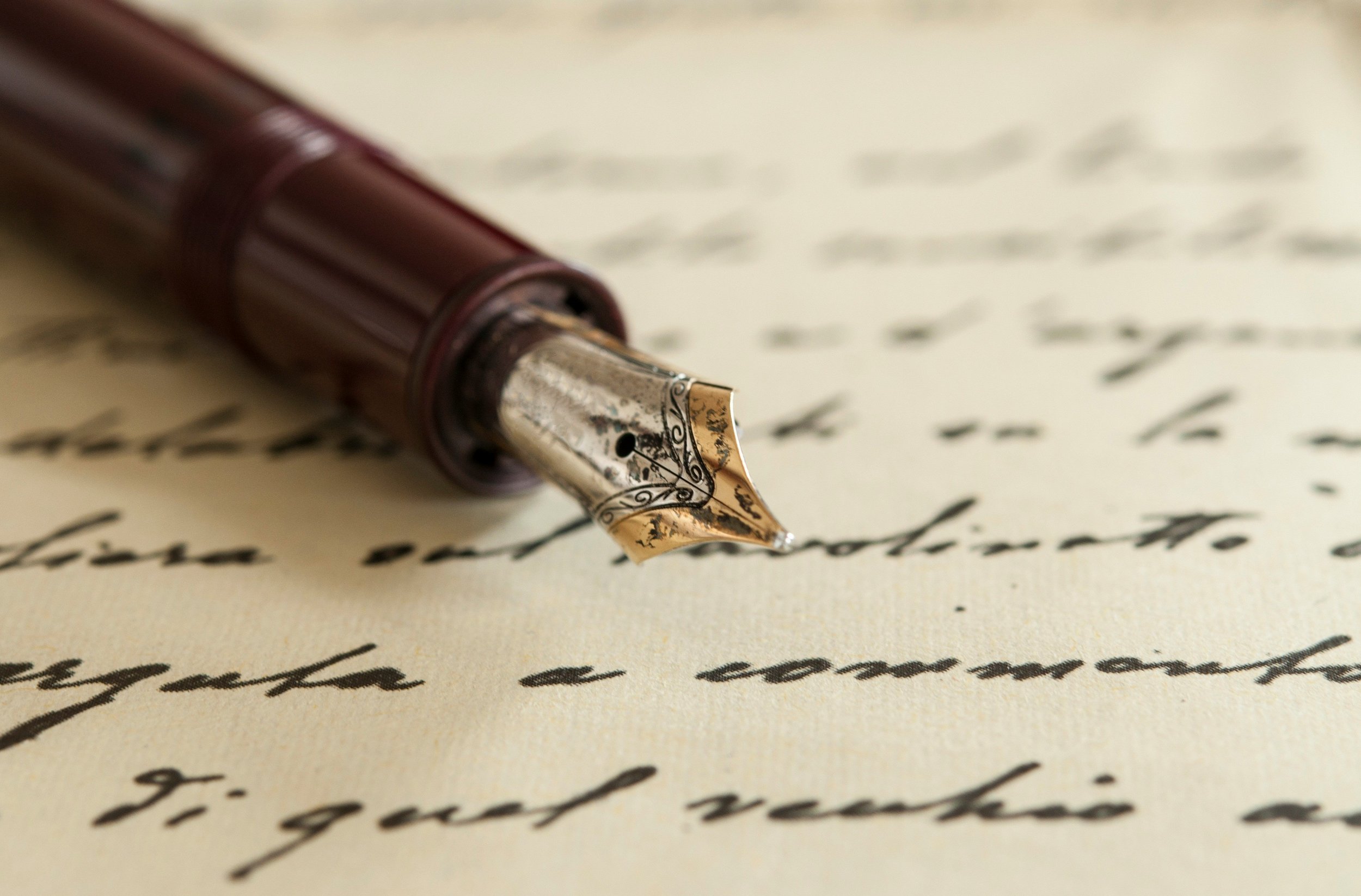
Photo by Digital Content Writers India on Unsplash
Visiting Chawton Cottage: Jane Austen's House in Hampshire
Most people go to Bath for Jane Austen, and understandably so. Bath is where she set two novels, where she lived for several years (unhappily, by most accounts), where the Jane Austen Centre does brisk business in bonnets and tea towels. But Chawton is where she actually wrote.
She moved to this small brick cottage in the village of Chawton in 1809, aged 33, with her mother and sister Cassandra. She had published nothing yet, but in the eight years that followed, she revised Sense and Sensibility and Pride and Prejudice for publication, and wrote Mansfield Park, Emma and Persuasion from scratch.
How can you visit Chawton House?
The house is open daily from 10am to 5pm, with last admission at 4pm, though hours reduce slightly in November and December. Worth knowing if you're planning a visit in 2026: the house is closed Monday to Friday during restoration periods, so it's worth checking the Chawton House’s website before you make the trip. Pre-booking is recommended, and your ticket doubles as an annual pass, valid for a full year from the date of purchase.

Visiting Dove Cottage: inside Wordsworth's home in Grasmere
Dove Cottage is tiny. Impossibly so, when you consider that Wordsworth lived here with his sister Dorothy, then his wife Mary, then their growing family, plus a rotating cast of friends including Samuel Taylor Coleridge, who would walk seventeen miles over the fells to visit. The whole place feels like it was built for one person and then politely asked to accommodate six.
He lived here from 1799 to 1808, and these were arguably his most creatively alive years. The Prelude was taking shape. Poems in Two Volumes was written here. Dorothy kept her famous journals at the same kitchen table. There's a museum next door with manuscripts, portraits and first editions.
Dove Cottage is also just a very good excuse to spend a few days in the Lake District. After your visit, walk along the edge of Grasmere lake where Wordsworth walked constantly, dictating poems out loud.
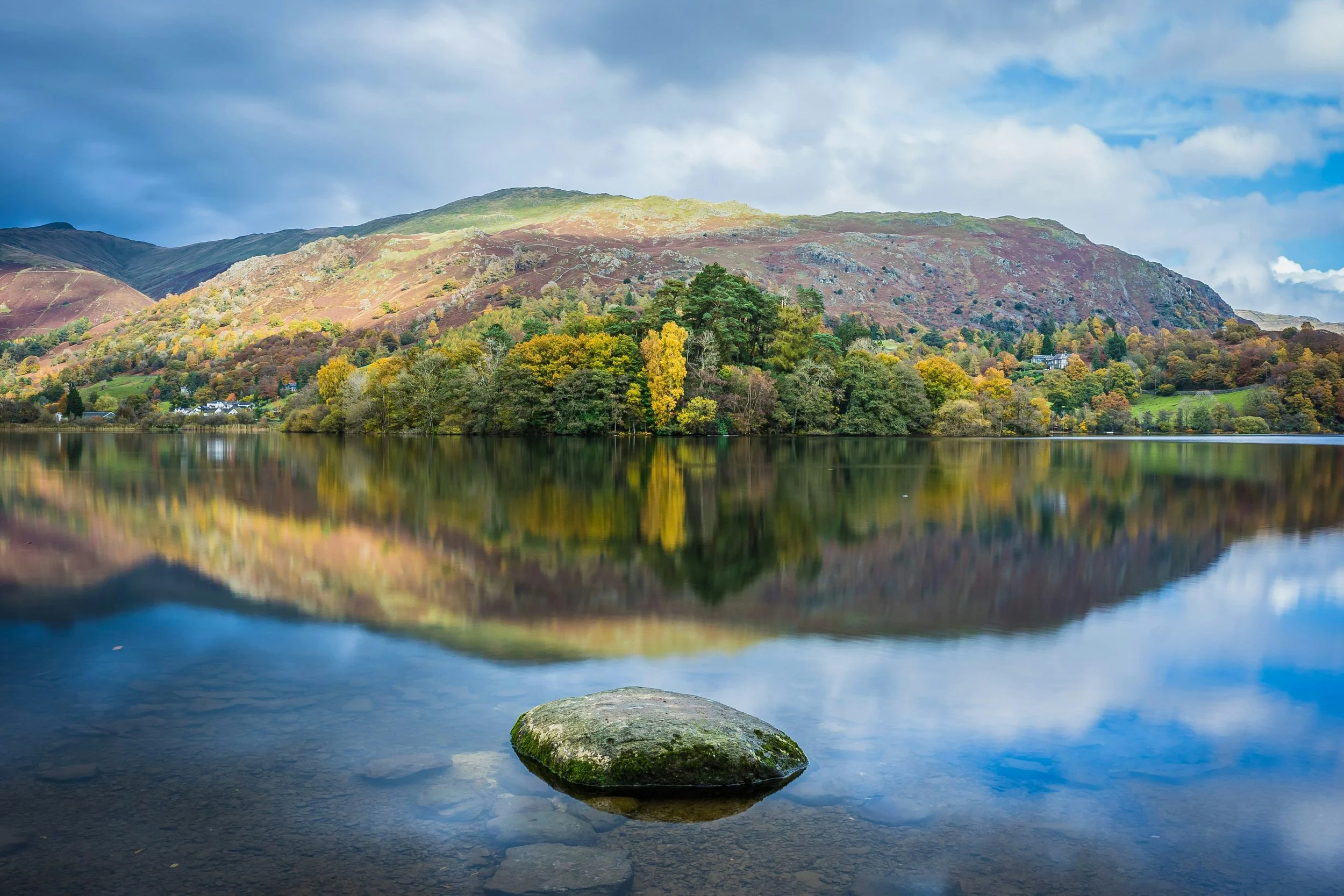
Photo by Jonny Gios on Unsplash
How can you visit Dove Cottage?
Dove Cottage is open daily from 10am to 5pm (last entry at 4:20). Entry runs every 20 minutes, so it's worth booking online in advance (you can do so up to 90 minutes before your visit), though tickets on arrival are also available subject to availability. Here too, tickets are annual passes, valid for 12 months from the date of purchase, so if you find yourself back in the Lakes sooner than expected, you're already covered.
Visiting Max Gate: Thomas Hardy's home in Dorchester
Thomas Hardy designed Max Gate himself, which tells you something about him. It's not a romantic writer's retreat, but a solid, red-brick Victorian villa on the outskirts of Dorchester, practical and a little gloomy, surrounded by the trees he planted himself. He lived here for 43 years, from 1885 until his death in 1928 and wrote Tess of the d'Urbervilles, Jude the Obscure, as well as most of his poetry.
The study is worth lingering in: his desk, his books, the view onto the garden. The surrounding Dorset countryside is pure Hardy: chalk hills, quiet villages, a landscape that feels like it's holding something back. Pair it with a drive through the Dorset countryside and the whole county starts to read like one long novel.
How can you visit Max Gate?
Max Gate is managed by the National Trust and open Tuesday, Wednesday, Thursday, Saturday and Sunday from 10:30am to 4:30pm, with last entry at 3:30pm. It closes November through March, so plan accordingly if you're visiting in the colder months. Pre-booking is recommended and can be done via the National Trust website.
Visiting Bleak House: Charles Dickens' clifftop retreat in Broadstairs, Kent
Everyone goes to the Charles Dickens Museum in London, in the Bloomsbury townhouse where he lived with his young family, which it’s definitely worth visiting. But for something less expected, Broadstairs on the Kent coast is where Dickens spent almost every summer between 1837 and 1851, and the house he rented — now called Bleak House, though he named the novel before the house acquired the name — sits on the clifftop with an uninterrupted view of the sea.
He wrote David Copperfield here, looking out at that water. The town itself is worth a half day: small, seaside, still recognisably Victorian in its bones. Walk the Viking Bay beach in the off season and you'll understand why he kept coming back.
How can you visit Bleak House?
Bleak House is now a luxury bed and breakfast, which means the most immersive way to visit is simply to stay there. Rooms include the Copperfield Suite, with views straight out over Viking Bay and the English Channel, the same view Dickens had while writing. The house also contains his study and, unexpectedly, a smuggling museum in the basement (the Thanet coast had a lively contraband trade in the 18th and 19th centuries, and the cellars hold artefacts rescued from a shipwreck found off Broadstairs in the 1970s). If you want to go deeper into Dickens in Broadstairs, the Dickens House Museum in the town is a separate, smaller attraction worth combining into the same visit.
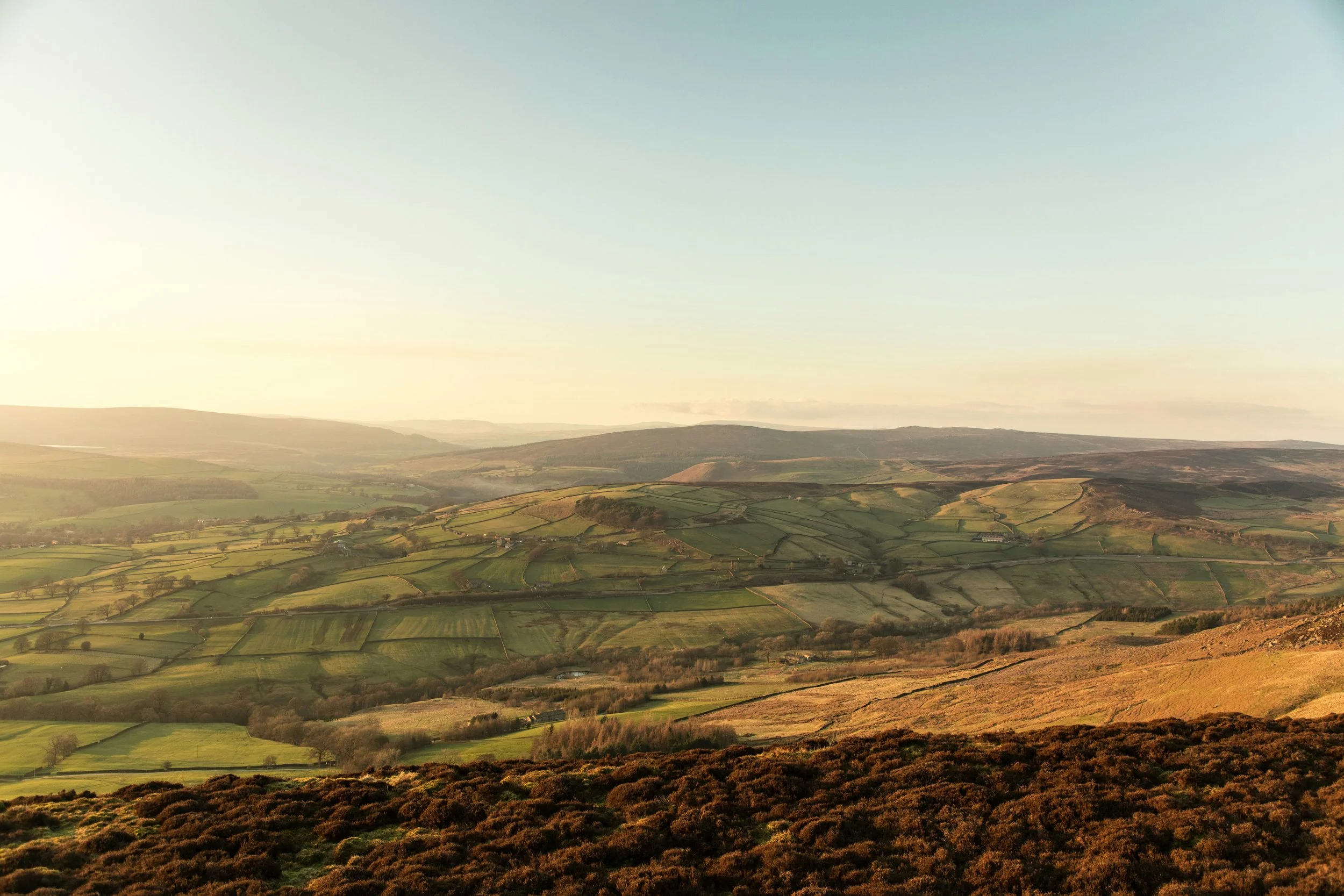
Photo by Jamie Davies on Unsplash
Visiting Haworth Parsonage: the Brontë sisters' Yorkshire home
Let's finish this off with the Brontës, and with Yorkshire, which deserves a visit all on its own. Haworth’s cobbled main street climbs steeply uphill, the moors stretch out behind it in every direction, and the Parsonage sits at the top of it all, quiet and grey, looking out over the churchyard. Charlotte, Emily and Anne Brontë grew up in this house, wrote in this house, and spent most of their lives within walking distance of it.
Emily wrote Wuthering Heights here, Charlotte wrote Jane Eyre and Anne wrote The Tenant of Wildfell Hall. Three novels that changed English literature, written in the same parlour, by three sisters who could see each other across the table.
The Brontë Parsonage Museum has been extraordinarily careful with the place. The rooms are preserved as they were, the sisters' tiny handwritten manuscripts are on display, and the feeling of the house is intimate in a way that larger literary properties rarely manage. And then you walk out the back door and you're on the moors within minutes. That walk is not optional.
How can you visit Haworth Parsonage?
The Brontë Parsonage Museum is open year-round, except Christmas Eve, Christmas Day and Boxing Day. Summer hours (April–September) run 10am–5:30pm and winter hours (October–March) 10am–5pm. Pre-booking is recommended in summer and you can book via the Brontë Parsonage website.
Which other writers' houses in England are worth visiting?
These are just a few of the many writers' homes England has to offer. The country is full of them and once you start looking, they really do tend to multiply. Have you visited any of the houses in this list? Or is there a writer's home somewhere in England that you think deserves a place on it? I'd love to hear about it in the comments.